Early warning systems
Akvo develops and operationalises early warning systems, ensuring that local and national governments have access to accurate drought and flood monitoring insights, helping them to prepare for and become resilient to climate risks.
Bridging the gap in droughts and floods
Climate-related hazards - such as floods and droughts - continue to challenge agriculture, water security, and livelihoods. In the context of the climate crisis, these impacts are becoming more frequent, severe, and unpredictable. Many regions have an opportunity to strengthen their early warning systems by enhancing local and national government capacities and infrastructure.
Akvo works with local and national governments, NGOs, and communities to develop and operationalise integrated early warning systems. These systems improve data collection, processing, validation, and dissemination across hazard types. By building robust IT infrastructure and strengthening local expertise, we ensure stakeholders at all levels are equipped with timely, validated, and context-specific insights to take informed action.

Akvo’s early warning systems

Collaborate, coordinate, communicate
We bring together citizens, local and national government entities, and NGOs across multiple sectors to enable unified and effective climate action. This collaborative approach ensures that all stakeholders are aligned and equipped to respond to climate risks.

Scalable solutions
Akvo’s early warning systems are built on existing IT infrastructure, ensuring long-term scalability. We enhance both technical systems and human capacity to deliver sustainable, adaptable solutions that grow with the needs of governments and communities.

Effortless maintenance and automation
Our solutions prioritise open-source technology, automation, and user-friendly design. This ensures that the systems are easy to maintain post-handover, with most processes automated, requiring minimal effort to manage while remaining adaptable to evolving user needs.

Built-in validation processes
Local communities and technical experts are asked to validate the data to ensure that climate-hazard insights are accurate, reliable, and properly reflect the local context. Their input is essential before the information informs decision-making.
Akvo’s proven approach
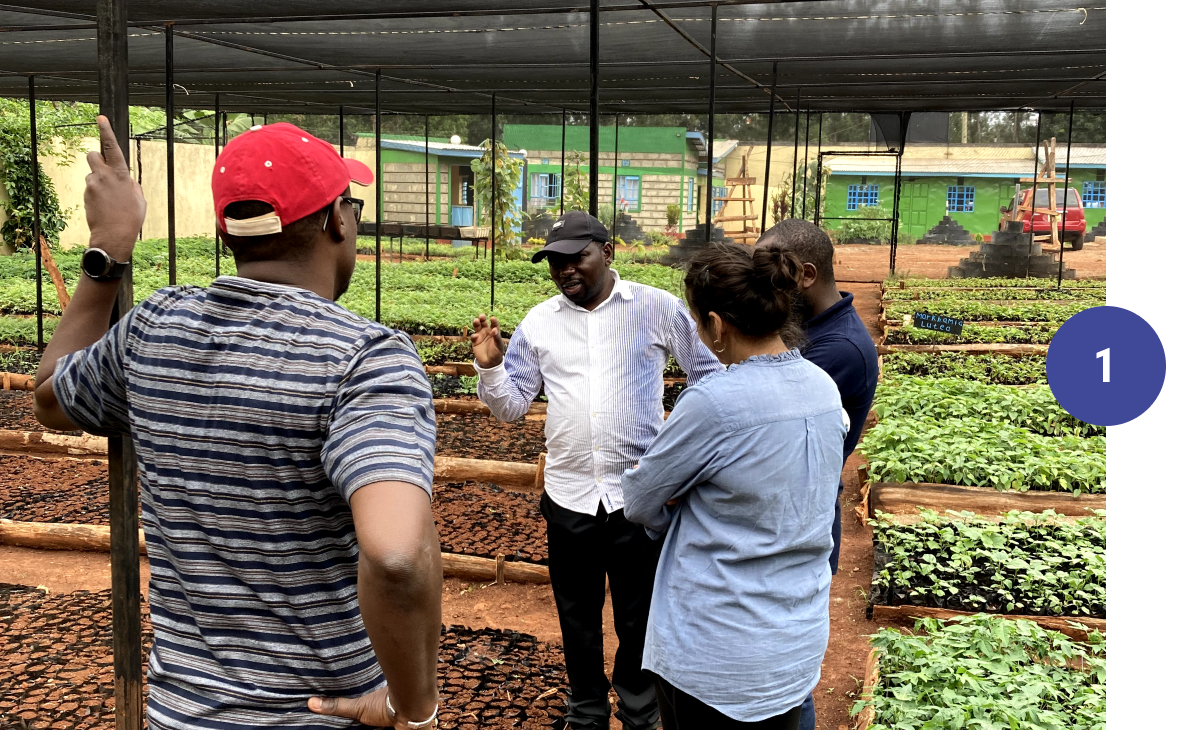
Understand
We begin with an IT system and capacity assessment, combined with a sustainability plan. This step provides a clear picture of the existing system setup – its infrastructure, workflows, and challenges. It helps identify where improvements are needed and forms the foundation for a system that is both effective and locally sustainable.
Co-create
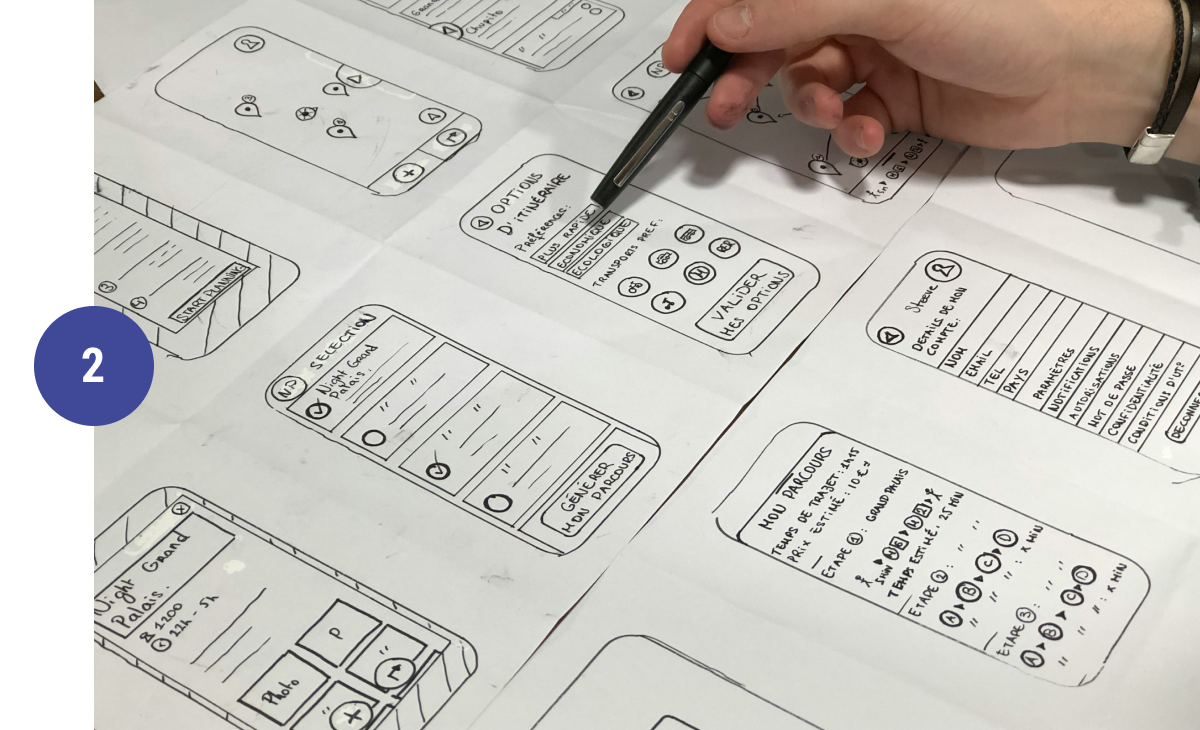
Together with stakeholders, we co-develop functional specifications and information architecture. We validate low-fidelity wireframes and co-design user interfaces to ensure the system reflects real workflows and is adapted to user capacity and infrastructure.
Implement
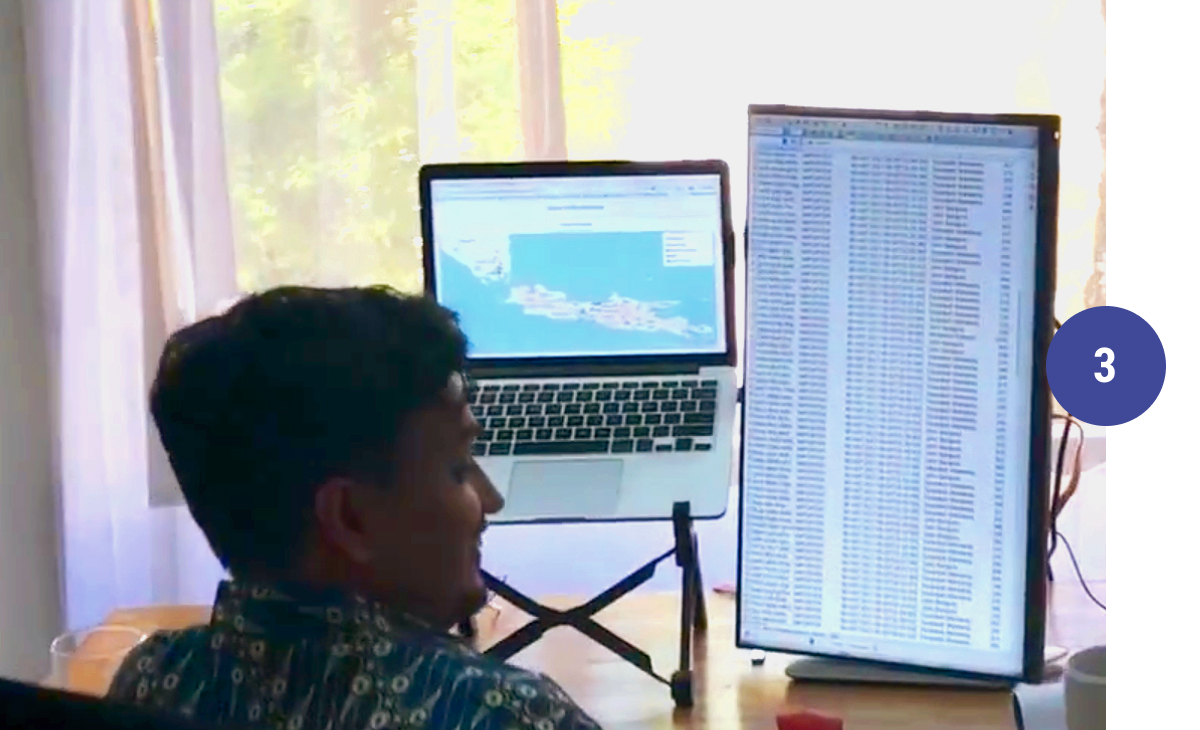
We set up test and production environments, automate data pipelines, and integrate open-source tools to generate real-time maps and forecasts. This reduces manual work, ensures consistency, and improves system resilience.
Support and scale
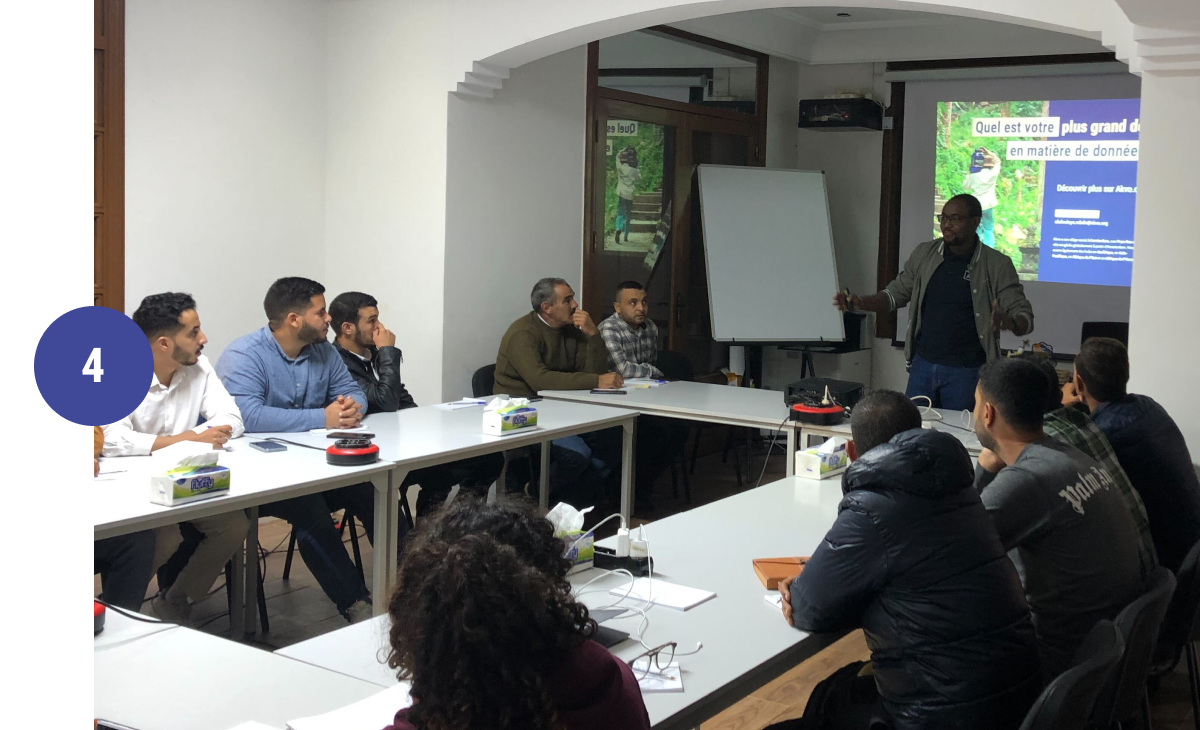
We provide training, documentation, and strategic support. Once the platform is live, we hand it over to local teams and stay available for continuous improvement and scaling. This ensures local ownership while keeping the system effective over time.
Drought monitoring in the Kingdom of Eswatini
Akvo has partnered with the Kingdom of Eswatini to create a state-of-the-art drought monitoring platform that integrates automation and open-source technology. Working together with local stakeholders, we’ve built a system that streamlines data collection, processing, and validation, providing real-time, accurate insights to help make informed decisions before, during, and after droughts.
The platform enhances cross-sector collaboration, ensuring that all stakeholders can align their efforts and coordinate responses effectively.
Designed to integrate seamlessly with Eswatini’s existing IT infrastructure, it ensures long-term sustainability and reduces manual work, improving overall efficiency.
By strengthening early warning capabilities and enabling unified action, this system plays a vital role in building community resilience and disaster preparedness in the face of growing climate challenges.
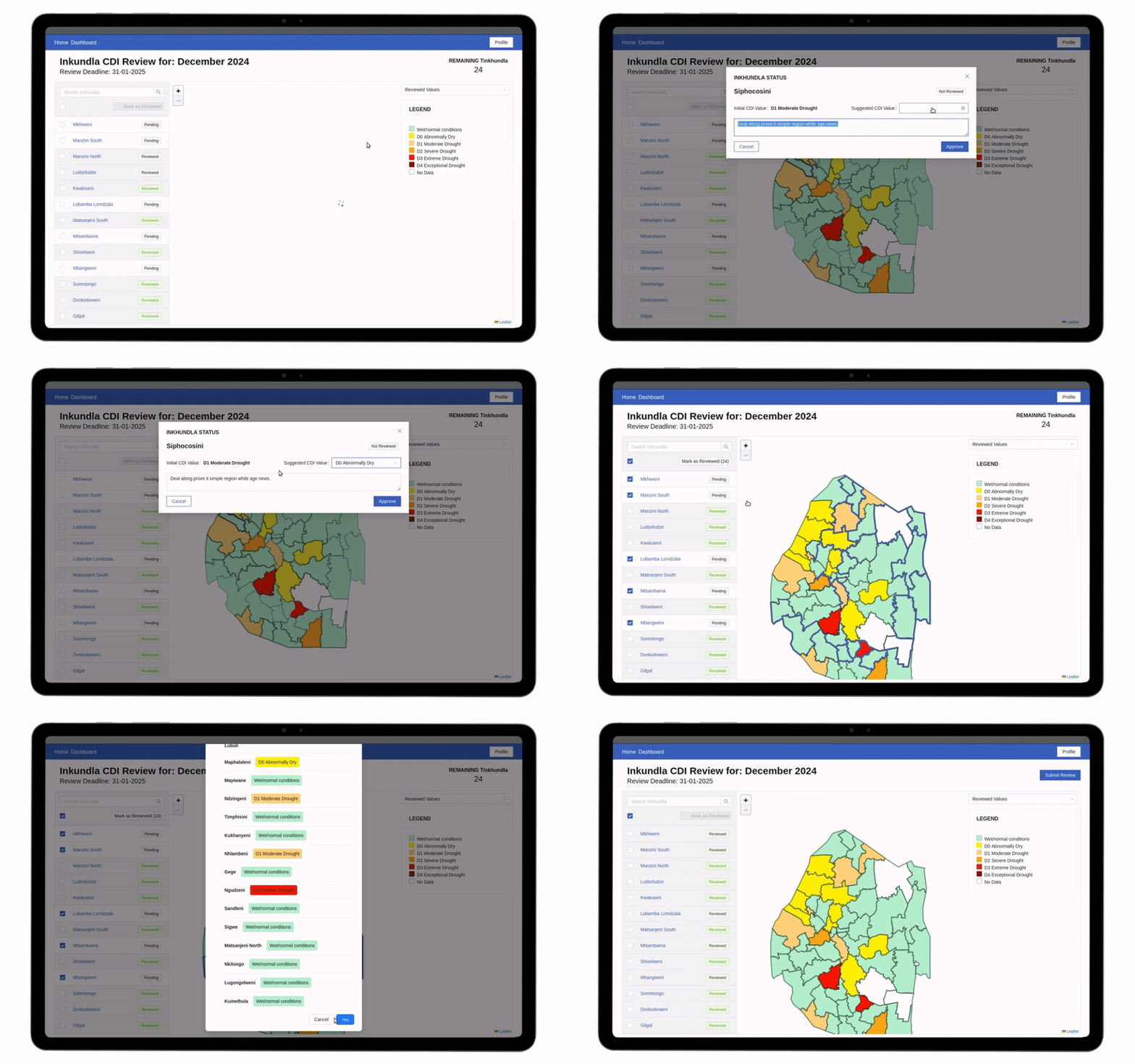
Above: Eswatini drought monitoring platform
Key features
- Automation & open source technology: Reduces manual workload while ensuring adaptability.
- Cross-sector coordination: Brings together stakeholders for unified drought action.
- Validation process: Experts collaboratively review and refine CDI data before publication.
- Time-series comparison tool: Users can compare CDI Maps to analyse drought trends.
- Download & sharing: CDI Maps can be exported for reports and policy planning.
- User-friendly design: Ensures accessibility for both technical and non-technical users.
Why Akvo?
10+ years of climate experience
Akvo has a proven track record in working on climate data initiatives across the globe. We work with proven methodologies that are both adaptable and scalable, ensuring that our approaches are effective in a variety of contexts.
Innovative modular technology
We employ a modular technology approach to platform development. This approach allows for seamless integration of various functionalities and components, ensuring scalability and adaptability as requirements evolve.
Local presence and global scale
We have a local presence on five continents and operate on a global scale. Our extensive network allows you to tap into a wealth of knowledge and best practices from around the world, ensuring that the work we do is built on a foundation of international expertise.
Ready to get started?
Speak to one of our team about Akvo's early warning systems.



Our regional hubs
Our services
Tech solutions
Our expertise
We apply the principles of open source software, open content and open data to all of our work.
Find out why and how.